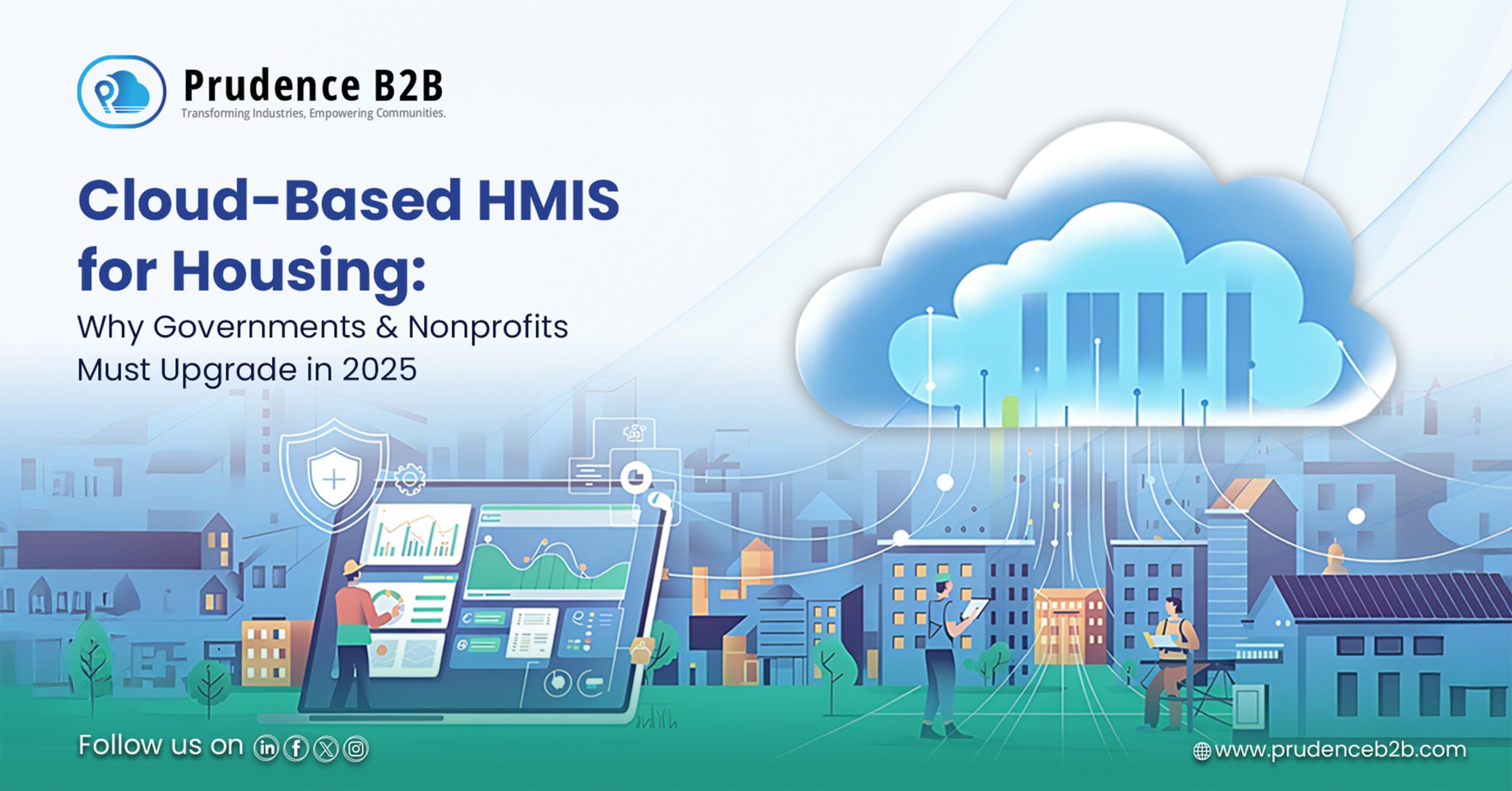
In 2025, the need for smarter, faster, and more efficient HMIS Software for Homeless Data Management & Reporting is at an all-time high. Government agencies and nonprofit organizations are rapidly moving away from outdated systems to embrace cloud-based HMIS solutions. As traditional on-premise systems struggle with scalability and flexibility, cloud technology has become a strategic necessity to address complex housing challenges. This blog explains why upgrading to a cloud-based HMIS software is imperative for modern housing programs.
What is a Cloud-Based HMIS?
A Cloud-Based HMIS is a secure, web-based platform that lets housing service providers collect, store, and manage data about individuals experiencing homelessness. Unlike legacy systems that demand on-site servers and manual updates, cloud-based solutions offer real-time access, automated updates, and enhanced collaboration. This approach not only boosts efficiency but also reinforces HMIS Software for Homeless Data Management & Reporting across multiple agencies.
Why Traditional HMIS Platforms are No Longer Enough
Traditional systems often fall short due to several limitations:
- Lack of Scalability: Struggles to handle increasing data and service demands.
- Delayed Updates: Manual updates that hinder timely decision-making.
- Data Silos: Isolated data preventing comprehensive HMIS Software for Homeless Data Management.
- Limited Mobile Access: Field teams cannot access essential data on the go.
- High IT Costs: Significant infrastructure expenses burden organizations.
Key Benefits of a Cloud-Based HMIS in 2025
In 2025, cloud-based HMIS offers transformative benefits by improving data sharing and security. These advantages empower organizations to make faster decisions and maintain compliance with essential standards for modern success.
1. Real-Time Data Sharing Across Agencies:
Cloud-based systems enable case managers, outreach workers, and government entities to share data instantly. This streamlined HMIS Software for Homeless Data Management & Reporting leads to faster decisions and better resource allocation.
2. Improved Data Security & Compliance:
Leading cloud HMIS providers deliver end-to-end encryption, multi-factor authentication, and role-based access, ensuring compliance with HUD standards, HIPAA, and local privacy regulations.
3. Mobile-First Access for Field Teams:
With mobile access, outreach workers can record and retrieve data on-site. This mobile optimization transforms HMIS Software for Homeless Data Management by ensuring that all team members stay connected even outside the office.
4. Advanced Reporting & Analytics:
Modern HMIS platforms offer dashboards, visualizations, and predictive analytics. These features empower organizations to track KPIs, forecast trends, and optimize funding decisions using robust HMIS Software solutions for Homeless Data Management and Reporting.
5. Automated Updates & Reduced IT Burden:
Say goodbye to manual patches and server crashes. Automated updates reduce IT overhead, letting organizations focus on strategic initiatives instead of maintenance.
With streamlined system upgrades, downtime becomes a thing of the past. The best HMIS software for government and nonprofit organizations ensures your platform is always up to date, secure, and running smoothly.
Strategic Advantages for Governments & Nonprofits
- Better Funding Justification:
Accurate and up-to-date data improves reporting outcomes to funders and supports grant applications.
- Faster Crisis Response:
In emergencies, a cloud-based HMIS enables swift resource deployment and coordination.
- Scalability for Regional & National Programs:
Whether managing a single shelter or a state-wide network, cloud HMIS systems scale effortlessly, ideal for use as homeless shelter management software for the government.
Choosing the Right Cloud-Based HMIS Platform
When evaluating vendors, it’s important to ensure that the platform not only meets your technical requirements but also addresses the specific needs of your organization. Here are the key features to consider.
Compliance & Data Standards
Ensure the platform aligns with HUD compliance and national data standards. This guarantees that your data handling meets federal requirements and is up-to-date with industry best practices.
User Controls & Mobile Support
Look for robust role-based user controls to tailor access for different team members. Mobile support, including offline access, is crucial for field teams who need to update records in real time, no matter where they are.
System Integration
Choose a platform that seamlessly integrates with your existing systems, such as case management tools, electronic health records, and other reporting solutions. This integration helps create a unified data ecosystem, reducing silos and improving efficiency.
Customer Support & Training
Responsive customer support and comprehensive training resources are essential. They ensure that your team can quickly adapt to the new system and resolve any issues that arise, maximizing the platform’s value.
Why it Matters:
Poor support leads to downtime, frustrated staff, and inefficiencies. Prudence B2B provides dedicated account managers and interactive training modules for seamless adoption.
Remember, understanding HMIS? is vital in the selection process. The right platform should cater to a wide range of stakeholders from government agencies to nonprofits and service providers ensuring that every user.
Bottom Line
As technology evolves and housing challenges grow, organizations that fail to adopt cloud-based solutions in HMIS software risk falling behind. Upgrading not only streamlines operations but also enhances HMIS Software for Homeless Data Management & Reporting, ensuring better service delivery and smarter data-driven decisions. Now is the time to modernize your systems and transform how you manage housing and homelessness services.