Homelessness is a persistent challenge that affects millions of individuals and families across the country. For government agencies and service providers, managing homelessness initiatives efficiently is important to ensuring that aid reaches those who need it the most. However, outdated systems, manual paperwork, and fragmented data often hinder these efforts, leaving gaps in services and making it difficult to track progress. Imagine a world where every service provider, housing program, and government agency worked seamlessly together, sharing real-time data, reducing redundancy, and ensuring that every individual experiencing homelessness receives the right support at the right time. This vision is now a reality, thanks to HMIS Software for Government Agencies. With a robust Homeless Management Information System (HMIS), agencies can streamline their operations, make data-driven decisions, and ultimately transform the way homelessness services are delivered.
The Role of HMIS Software for Government Agencies in Improving Homeless Services
For government agencies tackling homelessness, the implementation of HMIS software is advanced. With HMIS Software for Government Agencies, public institutions can automate workflows, enhance data management, and track client progress from enrollment to housing stability. Here’s how:
1. Efficient Client and Service Provider Management
One of the biggest challenges in homelessness services is managing client information accurately. HMIS software enables agencies to store and update real-time data, track an individual’s history, and ensure that no one falls through the cracks. Additionally, service providers can review applications, manage contracts, and process invoices more efficiently.
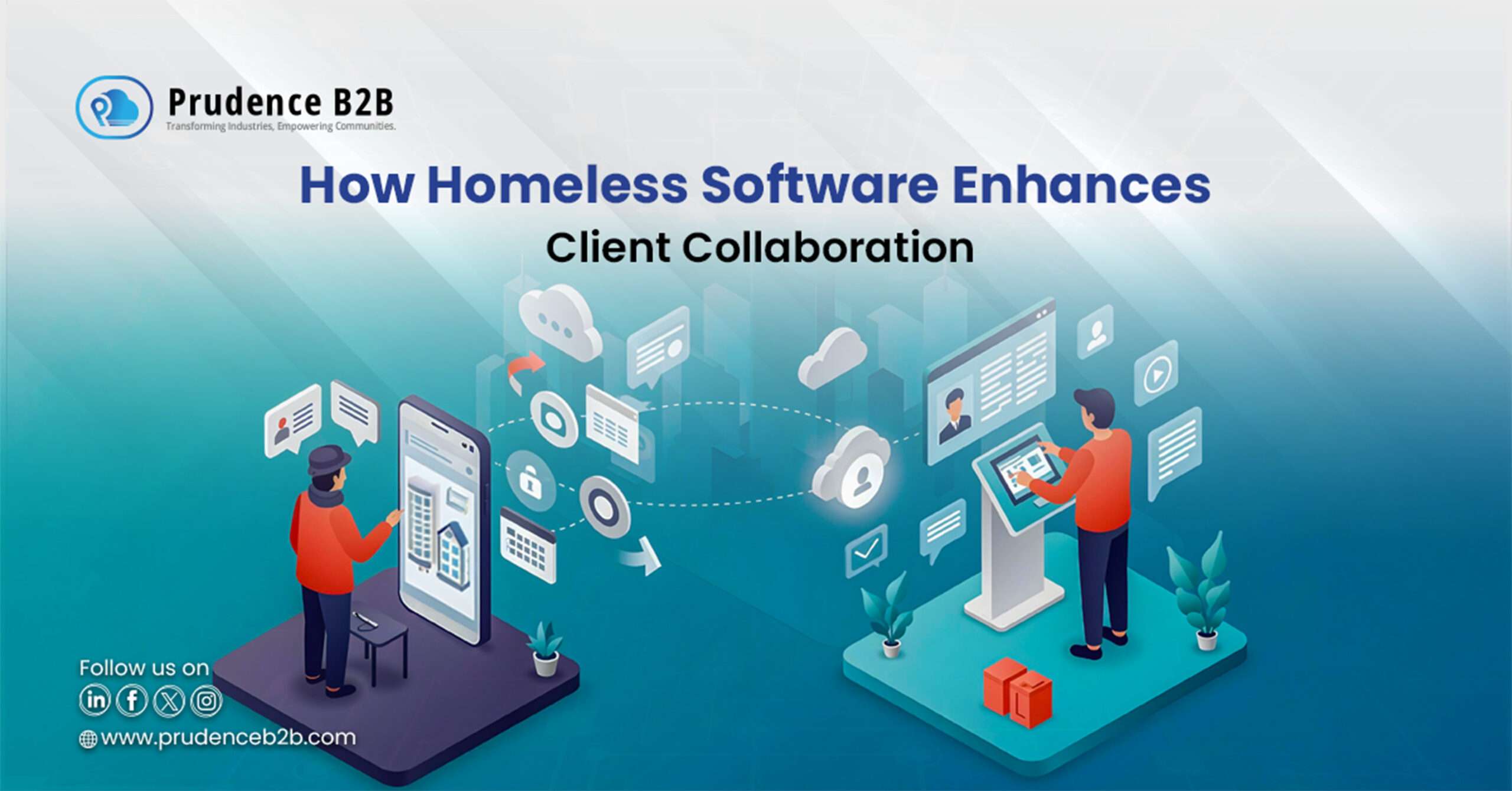
2. Enhancing Collaboration and Data Sharing
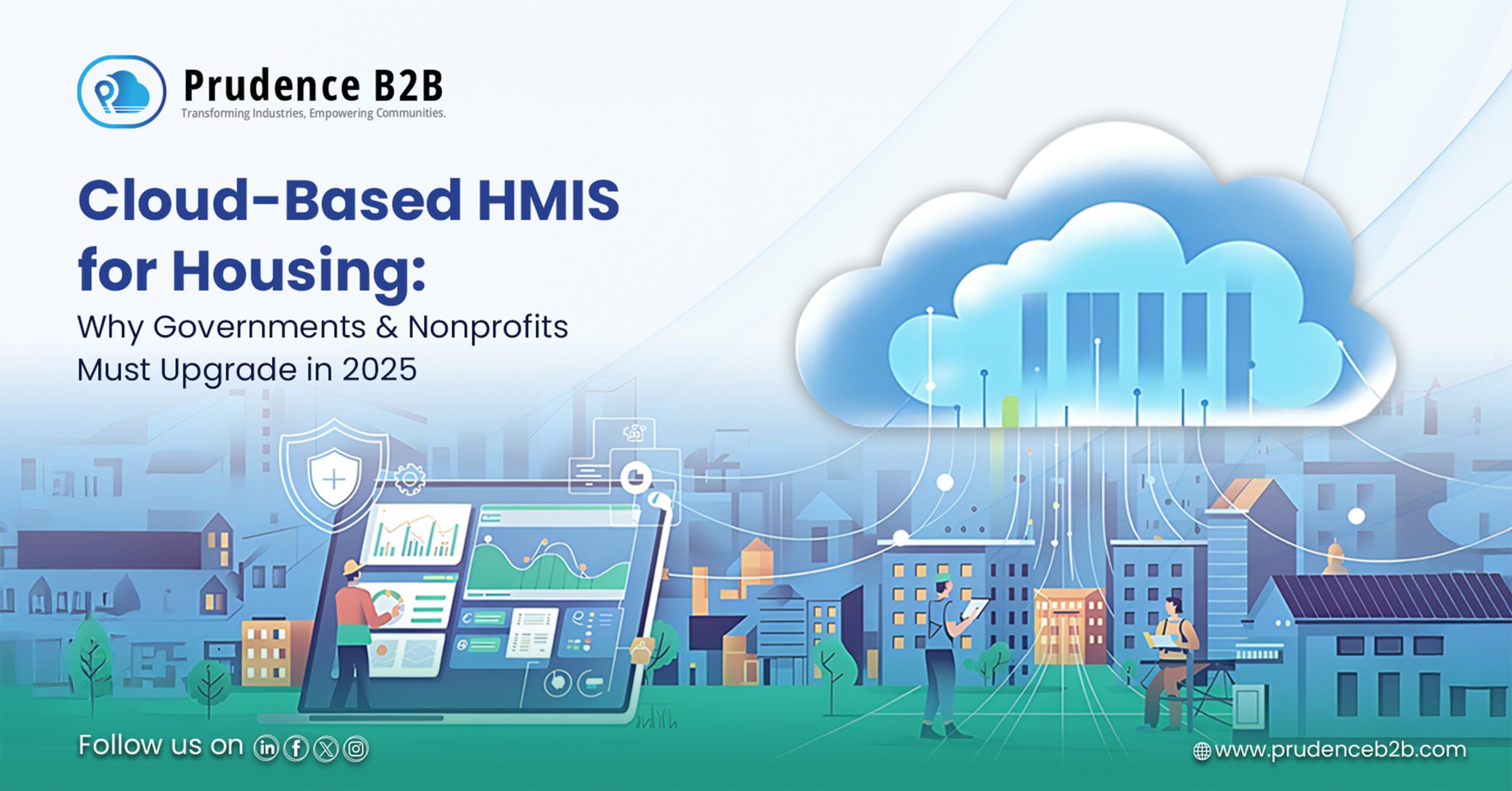
Fragmented systems lead to inefficiencies. By leveraging HMIS Data Integration for Government, agencies can synchronize data across various platforms, including housing authorities, shelters, and healthcare providers. This integration ensures that all stakeholders have access to up-to-date records, reducing duplication and enhancing service coordination.
3. Automated Reporting and Compliance
Government agencies are required to comply with federal regulations such as the McKinney-Vento Act and the Homeless Emergency Assistance and Rapid Transition to Housing (HEARTH) Act. With HMIS software, compliance becomes seamless, as built-in analytics and automated reporting tools provide real-time insights for audits and funding allocations.
4. Improving Accessibility Through Mobile-Friendly Features
Modern challenges require modern solutions. Many government officials and service providers work remotely or in the field. A mobile-friendly HMIS allows users to access critical data on the go, ensuring quick decision-making and immediate response to emergency situations.
Enhancing Homeless Services with Technology: A Data-Driven Perspective
Improving Homeless Services with Technology through the use of HMIS Software for Government Agencies is not just about convenience—it’s about making a measurable impact. Here are some eye-opening statistics that highlight the effectiveness of HMIS systems in tackling homelessness:
- According to the U.S. Department of Housing and Urban Development (HUD), states that have implemented advanced HMIS solutions saw a 35% increase in service efficiency and a 25% reduction in duplicate records.
- Studies indicate that agencies using HMIS technology experience 50% faster case management compared to those relying on traditional methods.
- Government programs with integrated HMIS reporting tools are more likely to secure federal funding, as they demonstrate transparency and measurable outcomes.
By leveraging HMIS Software for Government Agencies, decision-makers can ensure that public funds are utilized effectively, and that homelessness services become more efficient and impactful.
HMIS in Government Housing Programs: A Path to Sustainable Change
Government housing programs aim to address homelessness, but coordination challenges often hinder efficiency. Government Housing Programs with HMIS streamline these initiatives by centralizing data, improving service coordination, and optimizing resource allocation.
How HMIS Supports Housing Assistance
- Data Collection & Eligibility Check: HMIS records applicant details and verifies their eligibility for housing programs.
- Matching & Placement: The system identifies available housing options based on need and availability.
- Service Coordination: Agencies use HMIS to connect individuals with additional support, like employment or mental health services.
- Ongoing Monitoring: HMIS tracks housing stability and generates reports for better policymaking.
Driving Data-Driven Decisions
With real-time insights, HMIS helps governments analyze trends, measure program impact, and reduce inefficiencies. It ensures faster placements, prevents housing shortages, and enhances overall program effectiveness.
Homelessness Prevention with HMIS: A Proactive Approach
Beyond tracking homelessness cases, HMIS plays a vital role in prevention. By analyzing trends and identifying at-risk populations, government agencies can deploy early intervention strategies. Homelessness Prevention with HMIS allows authorities to monitor financial distress signals, eviction risks, and other red flags, offering assistance before individuals become homeless. This proactive approach can reduce homelessness rates by up to 20% in cities utilizing predictive analytics.
Bottom Line: The Future of Homeless Services with HMIS Software
The digital transformation of homeless services is long overdue. By implementing HMIS Software for Government Agencies, local and federal authorities can revolutionize service delivery, improve efficiency, and enhance collaboration among providers. From automated case management to data-driven decision-making, HMIS empowers government agencies to take a structured and effective approach to combating homelessness.
Technology-driven solutions like HMIS are the future of public welfare services. As homelessness remains a pressing issue, adopting an integrated, data-powered approach will not only improve the lives of those in need but also ensure that government resources are optimized for maximum impact.
Government agencies must take the next step toward modernization. By choosing the right HMIS Software for Government Agencies like Prudence B2B HMIS Software for Government Agencies, they can create a sustainable, efficient, and compassionate system that truly makes a difference.