Homelessness is a problem we see every day. People sleeping on the streets, in shelters, or moving from place to place. But behind every person facing homelessness is a unique story, filled with different needs and struggles. This is where Homeless Management Information System Software (HMIS) comes in. It’s not just about collecting data; it’s about offering real help.
But what is HMIS software? Imagine if you could use technology to understand what each person needs. To see their challenges clearly and offer the right support at the right time. That’s exactly what HMIS does.
At Prudence B2B, we believe technology can change lives. HMIS is more than software—it’s a lifeline for people facing homelessness. Let’s explore what it is, why it matters, and how it can make a real difference for those who need it most.
What Exactly is the Homeless Management Information System (HMIS) Software?
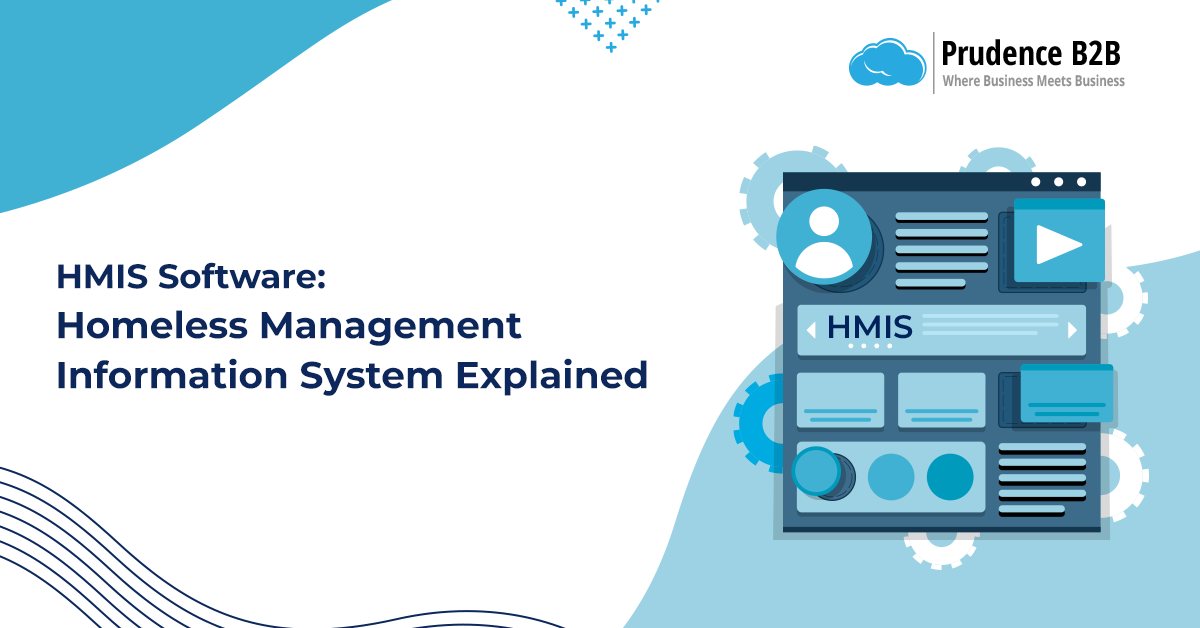
Homeless Management Information System (HMIS) software is an integrated system that helps service providers collect, manage, and report data on homelessness. It’s often referred to as Homeless Management Information System (HMIS) software, a technical term used to describe a structured database that allows organizations to track services provided to people experiencing homelessness.
However, the scope of HMIS goes far beyond just keeping records. It helps homelessness service providers make sense of complex data and turn it into actionable insights. For example, by using HMIS, a service provider can not only see how many individuals are receiving emergency housing but can also track the long-term success of those programs in helping individuals regain stability.
At its core, HMIS is about connecting the dots between data and humanity, helping to ensure that homeless individuals receive the care and support they need in the most effective way possible.
Why Does Homeless Management Information System Matter?
Imagine trying to help someone without knowing what they need. It’s like walking into a room blindfolded, hoping to find the right solution. Without data, homelessness service providers are essentially doing just that—taking educated guesses. But Homeless Management Information System software allows for a different approach.
With HMIS, service providers can:
- Track Individual Needs: Every person’s situation is different. HMIS helps case managers understand each individual’s story and specific needs—whether it’s housing, healthcare, or mental health services.
- Monitor Progress: Is the person moving closer to stability? Are they getting the right support? HMIS makes it easy to track progress and adjust care plans as needed.
- Report Effectively: Governments and funders need to see the impact of homelessness programs. The HMIS reporting system built into the software helps organizations easily generate reports that demonstrate the real-world effects of their work.
- Share Data Safely: One of the most critical aspects of HMIS is its ability to share data securely between agencies. This means that homeless individuals won’t have to retell their story every time they seek help, making the process smoother and more compassionate.
How Does Homeless Management Information System Work?
You might wonder, “How does this system actually help someone facing homelessness?” Here’s a simple breakdown of how homeless management information system works:
- Data Collection: When an individual reaches out to a shelter or service provider, their information is collected—this can include everything from basic demographics to details about their housing, employment, and health status. This data goes into the HMIS database, becoming part of the broader homeless management information system data.
- Service Tracking: Once the individual starts receiving services (such as housing assistance, medical care, or job training), the HMIS tracks these interactions. This creates a holistic view of what services they’re receiving, how often, and what outcomes they are achieving.
- Reporting and Analysis: Over time, the HMIS reporting system helps service providers generate detailed reports about homelessness in their region. These reports can track trends, highlight gaps in service, and help organizations make informed decisions about how to allocate resources.
- Data Sharing Across Agencies: One of the most valuable aspects of Homeless Management Information System software is its ability to share data with other organizations. If a person has already received services from one agency, that information can be shared with another, preventing service overlap and ensuring seamless care.
The Real-World Benefits of HMIS
Let’s be real: Data isn’t just numbers on a screen. When managed well, it can change lives. Here’s how homeless services software for government agencies and nonprofits makes a tangible impact:
1. Better Coordination Between Services
Homelessness is often caused by multiple, interconnected issues like mental health challenges, unemployment, or addiction. HMIS helps service providers coordinate across these different sectors to ensure that individuals get comprehensive support. No more silos. Everyone’s on the same page, working together.
2. More Efficient Use of Resources
With Homeless Management Information System data, agencies can see exactly where their resources are going and make adjustments to improve efficiency. If one service is underused, they can figure out why. If another is overwhelmed, they can reallocate funds to meet demand.
3. More Personalized Care
Homeless individuals aren’t just numbers. They’re people with unique stories and needs. HMIS helps service providers deliver more personalized care by creating detailed profiles for each individual. This ensures that the services provided aren’t generic, but specifically tailored to the person’s needs.
4. Transparency and Accountability
With the HMIS reporting system, organizations can prove the impact of their work to funders and government agencies. This kind of transparency builds trust, which is essential for securing long-term funding and public support.
Who Uses Homeless Management Information System Software?
So, who’s using HMIS? Homelessness service providers across the spectrum—from small nonprofits to large government agencies—depend on this software to do their work effectively. Here are the key users:
- Government Agencies: Governments at the local, state, and national levels use homeless services software for government to monitor the scope of homelessness, allocate funding, and track the effectiveness of programs.
- Nonprofits and Charities: These organizations often deliver direct services like shelter, food, and healthcare. HMIS helps them keep track of who’s being served and how, ensuring that they can offer consistent, compassionate care.
- Healthcare Providers: Many homeless individuals face serious health challenges, both physical and mental. Healthcare providers use HMIS to monitor medical histories, mental health services, and treatment plans.
Addressing the Challenges of Homeless Management Information System Software
While HMIS offers incredible benefits, it’s not without its challenges. Here’s what organizations need to keep in mind when implementing this software:
- Data Security: Since homeless management information system data often includes sensitive personal information, protecting that data is crucial. The best systems have built-in security measures to prevent unauthorized access.
- Training and Support: Not every organization is tech-savvy, and it can take time for staff to feel comfortable using HMIS. That’s why a solid training program is essential.
- Cost Considerations: Although HMIS can save organizations money in the long run by improving efficiency, there are upfront costs to consider. However, many software providers offer scalable solutions that fit within a nonprofit’s budget.
The Future of Homeless Management Software
Technology is always evolving, and HMIS is no exception. As the software becomes more advanced, we can expect to see even more innovation in areas like:
- Predictive Analytics: Using data to predict who is most at risk of becoming homeless, so service providers can intervene earlier.
- Mobile Solutions: More service providers using mobile apps to access HMIS data in real-time, allowing for more immediate and responsive care.
- AI-Driven Insights: Artificial Intelligence could be used to analyze large datasets and identify trends that humans might miss, leading to more effective solutions.
Conclusion: Humanizing Data to Help People
At Prudence B2B, we believe in the power of technology to make a real difference in people’s lives. Homeless Management Information System Software isn’t just a tool for managing data—it’s a lifeline that helps organizations offer more compassionate, effective care. Whether it’s improving coordination, personalizing services, or increasing transparency, HMIS empowers service providers to make a real impact on homelessness.
The future of homelessness management lies in data. And with the right tools, like HMIS, we can ensure that every person facing homelessness receives the support they need to find stability, security, and hope.
Contact us at Prudence B2B to learn how our solutions can help your organization implement HMIS and bring data-driven transformation to homelessness services.